
How to prepare for your trip to the Philippines
The language you will hear, the phrases to learn first, money, plugs, emergency numbers and a few local habits, and a way to plan the trip and keep your phrases offline.
Try it free for 14 days.
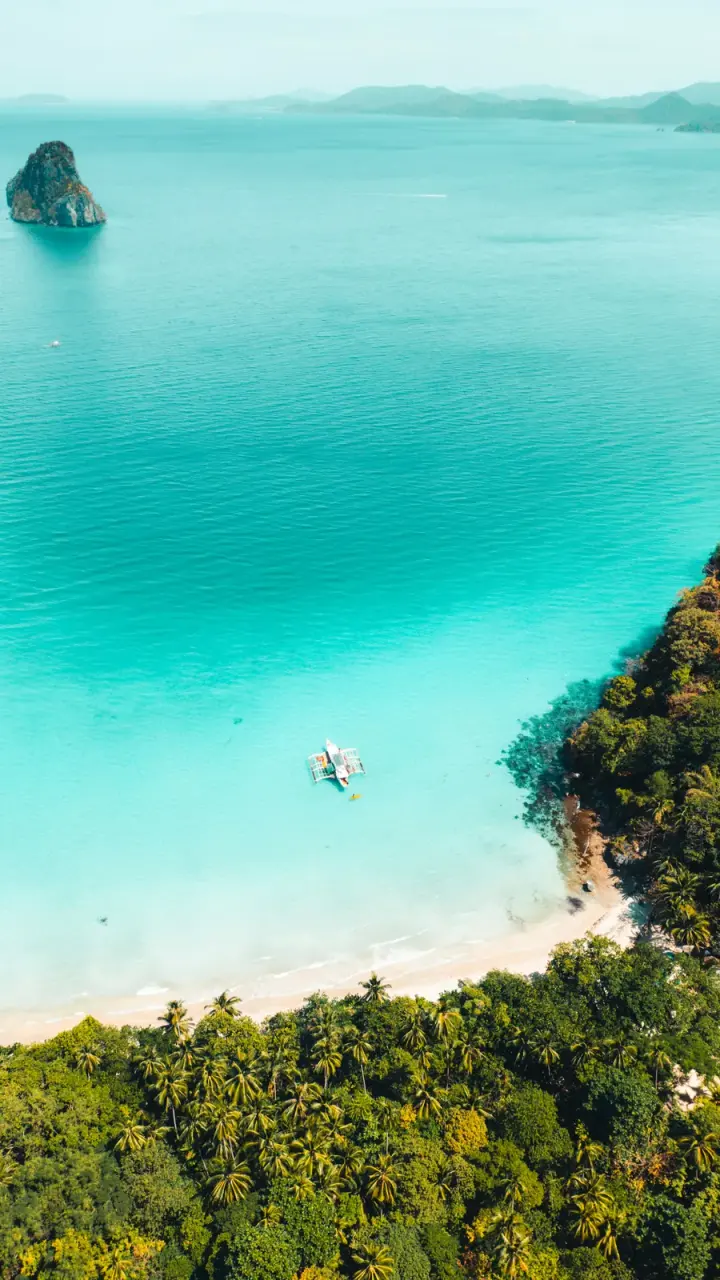
Photo credit
Photo by Jarno Colijn (opens in a new tab) on Unsplash, used under the Unsplash License (opens in a new tab).
What you will hear in the Philippines.
English is an official language of the Philippines and is widely used in tourism. A few phrases in the local language are welcomed, and which language that is depends on where you are going.
Tagalog is the base of Filipino, the national language, and is understood in much of the country. In Cebu, Bohol, Siquijor and Dumaguete the local language is Cebuano, and in Iloilo, Bacolod and Guimaras it is Hiligaynon. Each has its own travel guide.
Manila, Cebu, Bohol, Palawan, El Nido, Boracay, Siargao, Iloilo, Bacolod and Dumaguete are all in the Philippines.
Phrases for your first day.
They come from the first lessons. In the app each has audio and a note on when to use it, and you can save it to your phrasebook.
Tagalog
Magandang umaga po!
Good morning! (polite)
Maraming salamat po!
Thank you very much!
Magkano po ito?
How much is this?
Marunong po ba kayong mag-English?
Do you speak English?
Cebuano
Maayong buntag, Ma'am!
Good morning, madam!
Salamat kaayo!
Thank you very much!
Pila ni?
How much is this?
Palihug, balika.
Please say that again.
Hiligaynon
Maayong hapon, Sir.
Good afternoon, sir.
Salamat gid!
Thank you very much!
Tagpila ini?
How much is this?
Palihog, liwata.
Could you say that again, please?
The Philippines at a glance.
These are usually right but not always. For anything that matters, check the official advice before you go.
- Philippine peso (₱)
- +63
- On the right
- Type A, B, C · 220 V
- 911
Entry rules, health advice and safety change, so they are not on this page. The UK Foreign, Commonwealth & Development Office keeps them up to date for UK travellers: UK government travel advice for the Philippines (opens in a new tab).
Habits worth knowing before you arrive.
Habits, not rules: places and people vary, so each note says where it applies.
June to November is typhoon season, with the highest risk usually from August to October. Check the forecast and keep plans flexible, especially for island hopping and ferries.
Many Filipino speakers use po and opo as a respectful way of talking to someone older or in authority. Hearing them is a sign of courtesy, and a visitor who tries them is often warmly noticed.
The Philippines has more than a hundred languages. Tagalog and English are widely understood, but in places such as Cebu or Iloilo the local language is Cebuano or Hiligaynon.
The Christmas season starts early, often from September, and many families travel at Christmas and in Holy Week. Buses, ferries and flights can be booked up, so plan ahead.
Plan the trip to the Philippines in one place.
Put it on days
Add the Philippines to a trip, then put places on days with a time and a note. Directions open in your maps app.
Save the videos
Paste the TikTok, Instagram or YouTube link that gave you the idea and attach it to the stop it belongs to.
Take your phrases offline
Download the travel guide on Wi-Fi. The phrasebook, packs, notes and audio work with no signal.
Share the plan
Send a link to the people you are going with. They can read it without an account, and you can invite them to edit.
About a trip to the Philippines.
Which language should I learn for the Philippines?
Learn the one for the places you are going. Tagalog for Manila and Luzon, Cebuano for Cebu, Bohol and Dumaguete, Hiligaynon for Iloilo and Bacolod. If you are visiting several, pick the language for the one you will spend the longest in.
Will people speak English?
In many places, yes. A few phrases in the local language are still welcome.
Can I pick islands and get the right guide?
Yes. On the language picker, choose Going somewhere, then the Philippines, then tick the islands you are going to.
Other trip guides
Be ready to speak when you land in the Philippines.
Create a free account, add the trip, and start with the phrases for your first hour.
Try it free for 14 days.